

Subalternity in Early Egypt (2700–2200 BC)
The European Commission supports archaeological fieldwork at Zawyet Sultahn over five years (2026-2030) as part of the project “SUBALTERNEGY: Subalternity in Early Egypt (2700-2200 BC)”. The project focuses on the excavation and interpretation of a cemetery of low-status individuals. The cemetery sheds new light on the lives and deaths of the ordinary population in Egypt during the age of the pyramids. Zawyet Sultan offers a chance to study the funerary beliefs and practices among the wider population. Subalternity functions as a theoretical framework to investigate the effects of social inequality on disempowered groups.
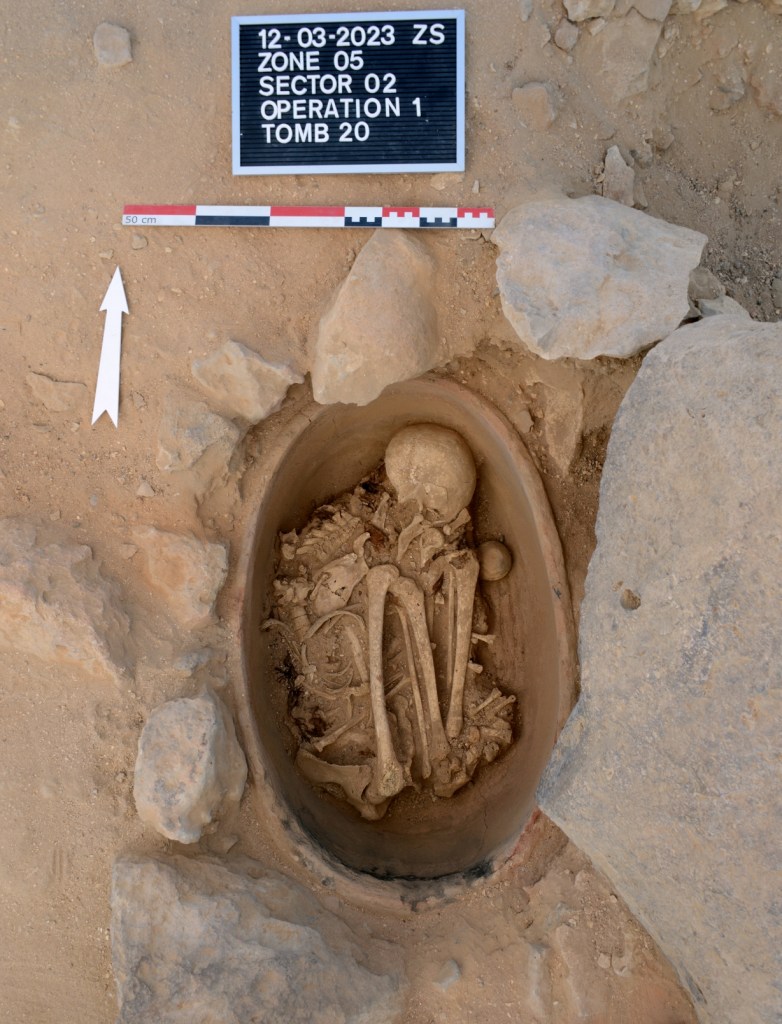
SUBALTERNEGY uses multiple lines of evidence and adopts an interdisciplinary pool of methods from archaeology, anthropology, geophysics, visual studies, and cultural history. The project seeks to reveal agency and imaginative capacities within the wider population and to situate dominant ideologies within the complex realities of common life revealed by material culture. It contributes to current debates surrounding the history of social inequality and the unsustainable role of colonial archaeologies. The aims of the project are to:
- Produce a substantial record of contextualized data for a low-status ancient Egyptian community cemetery;
- Understand how burial practices transformed diverse lived experiences into local imagined communities;
- Uncover how human bodies, the landscape, material culture, and visual discourse were used to enact social relationships;
- Develop concepts of subalternity and relatedness into a novel bottom-up approach to ancient Egyptian society.

Egyptology has traditionally focused on the texts, monuments, and grandiose trappings of social inequality. A substantial body of archaeological evidence for low-status groups has accumulated but is marginalized in interpretations, so a holistic view of ancient Egyptian society remains obscure. SUBALTERNEGY inverts the elite bias in Egyptology, using fresh data and an innovative theoretical framework to explore how subaltern communities responded to hegemonic concepts that emerged during the earliest phase of political centralization in Northeast Africa (2700–2200 BC). The project develops methodologies to expose social organisation and cultural orientation of disempowered groups. The premise of the project is that people of all social groups strive for a meaningful life and, to this end, position themselves and are positioned in social relationships that are expressed in material culture and the built environment, which reflect, reproduce, and at times contest the prevailing social order.
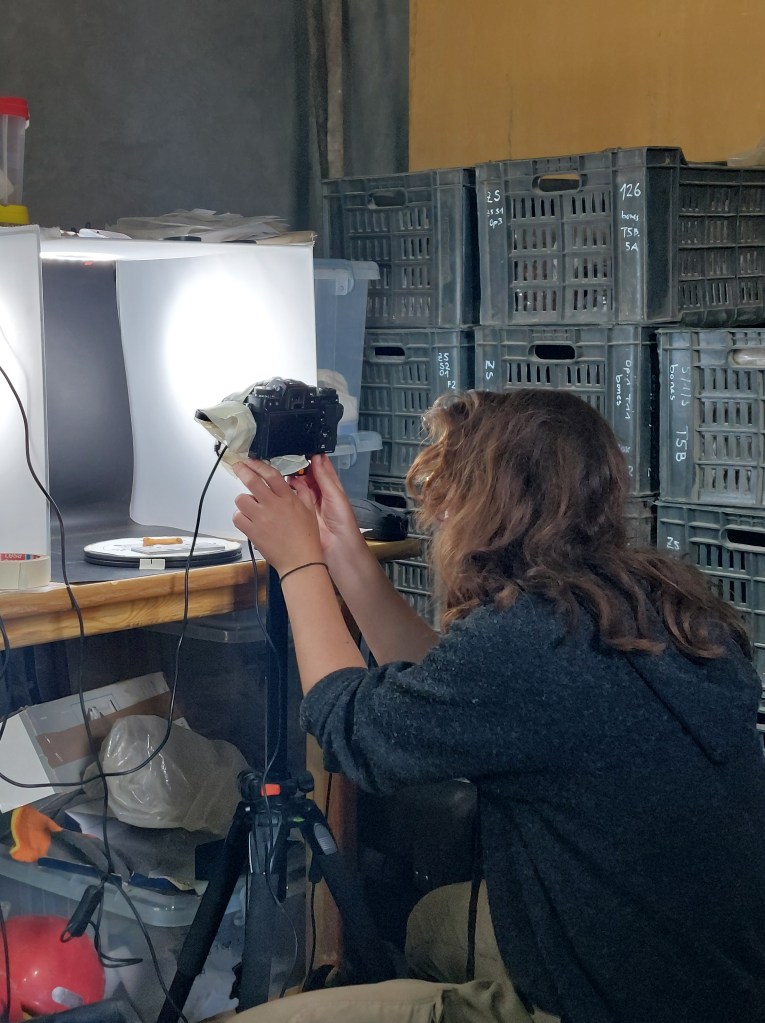
Our Osteologist Pia Lorenz photographs a finger bone in order to reconstruct routine activities of the inhabitants of ancient Hebenu.
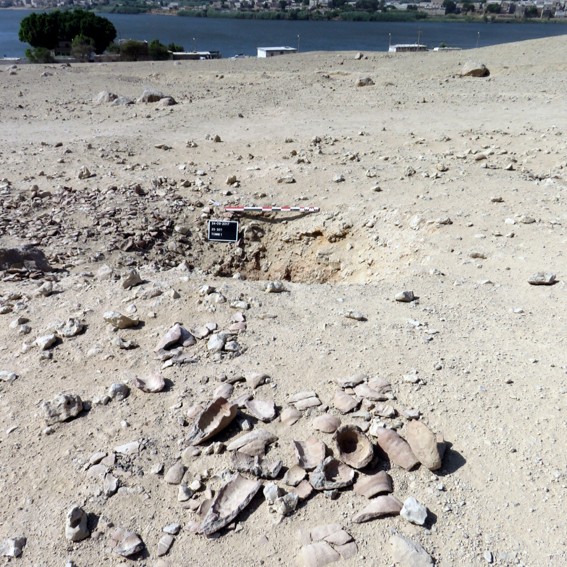
Would you like to know more? Explore the backround and research context of SUBALTERNEGY.
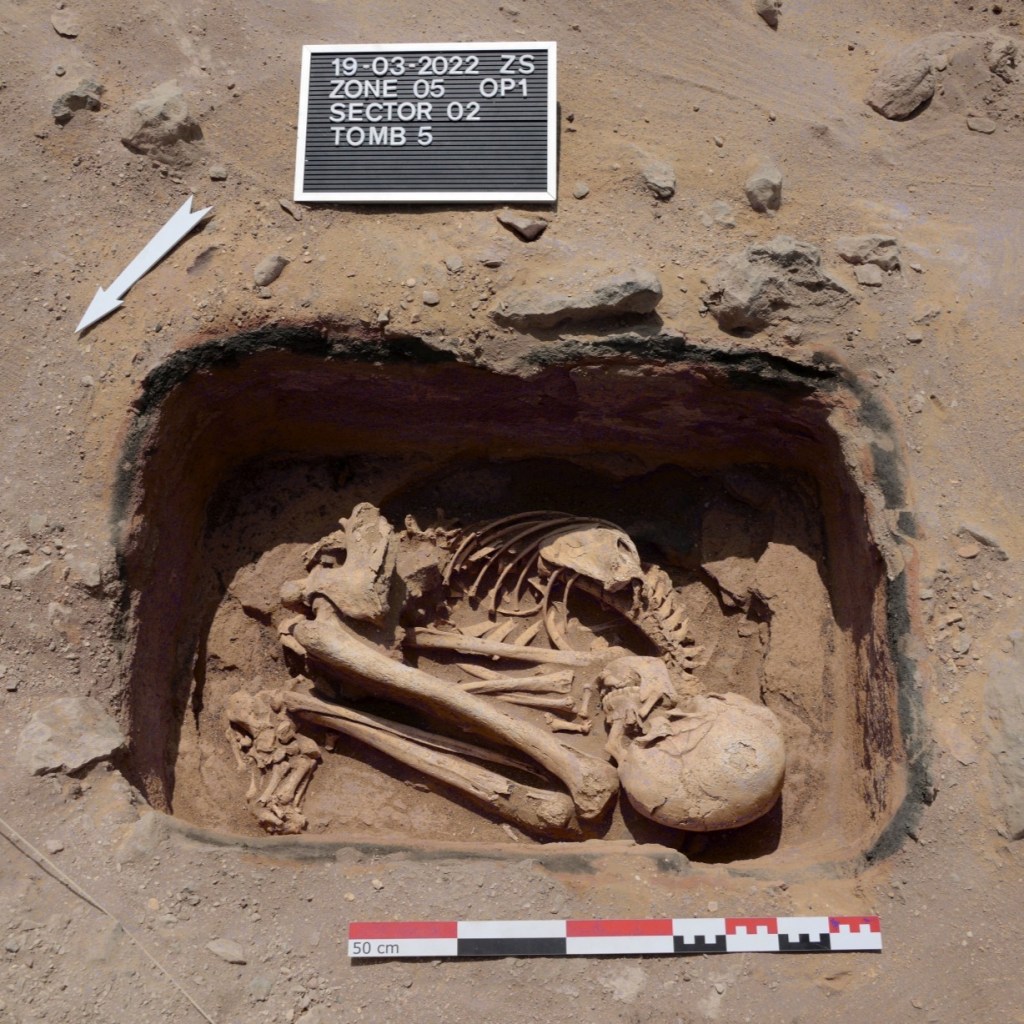
Interested in how we approach the data? Click here for further details about our objectives and metholodogy.
Further questions? Feel free to contact us.
Or find us on Facebook and Instagram to follow our journey more directly!

 Zawyet Sultan